Why Join IAEE?
IAEE membership offers deeper insight into energy economics, policy, and theory. Members stay informed through publications and conferences, and connect with the largest network of energy economics professionals. Anyone with an active interest in energy economics is eligible and benefits from belonging.
- Gain a broader understanding of energy economics, policymaking and theory
- Stay informed on cutting-edge research
- Learn from peers and build research collaborations with a community of academics, industry professionals, students, and government and policy leaders who shape energy economics
Member Benefits

Access Industry Leading Publications
- Subscriptions to both professional journals, The Energy Journal and Economics of Energy and Environmental Policy Journal
- Subscription to the Energy Forum, our quarterly newsletter
- Access our full archive of Podcasts and Webinars
- Complimentary access to Conference Proceedings

Join the Energy Economics Community
- Exposure to a multitude of IAEE sponsored conferences throughout the world
- Network with a worldwide membership base of energy and economics specialists

Get Exclusive Resources and Opportunities
- Participate in our active Working Paper Series
- Students can access support services as well as scholarships and awards
- Our monthly IAEE Insights email keeps you informed on upcoming events, publication opportunities, and association and affiliate news
Membership Types
Young Professionals are not a member type but are eligible for special rates to attend IAEE Conferences. Learn more about our membership types.
Student Membership
Students may join the IAEE as direct members or through a local affiliate.
Student Definition
A student is someone who is enrolled in a degree-granting program (undergraduate or graduate) at an institution of higher learning and registered full-time according to the definition of his/her respective academic institution, and who is not employed full-time. Students must submit written verification of their student status.
Letter from a professor or other verifiable school authority at their institution attesting to their student status during membership year.
Copy of student identification card (valid for membership year).
Student Participation at Conferences
Only IAEE student members, according to the definition above, may apply for student scholarships to IAEE conferences and participate in IAEE conference events that are designated for student participation. The requirement must be met at the time of initial submission of research to the conference in question.
Thus, a member who is a full-time student at the time of initial submission of research for presentation at a IAEE conference will be eligible to participate in events designated for students even if that person's status changes such that he/she is employed full-time at the time of the conference in question.
Young Professional
A young professional is someone who is within two years of graduation from a full-time Bachelors, Masters or PhD program (or ABD, post-docs) and is under the age of 35. To qualify for young professional rates for a IAEE conference, a young professional must have graduated within the two years prior to the start date of the conference.
How to Qualify
A young professional must submit one of the following written verifications attesting to their young professional status:
- Copy of their transcript from the institution they attended within the last two years
- Written letter from their faculty advisor attesting that they were a full-time student within the last two years
- To verify that an individual's age is less than 35, a copy of a driver license or other government issued identity card (e.g., passport) will need to be submitted to IAEE.
Young Professional Participation at Conferences
For two years after graduation from a full-time education program, qualified young professionals may attend IAEE Conferences by paying a discounted registration rate.
Professional Membership (Individual)
Individuals may join the IAEE directly or through an affiliate. Anyone with an active interest in the field of energy economics is eligible for membership in the IAEE and will benefit from belonging.
Institutional Membership
Join as an organization such as a university, research institute, or corporation.
Institutional Membership provides the opportunity for a company or organization to support the activities of IAEE and benefit from a variety of products and services as well as recognition. Corporate and Academic Institutional Membership packages provide different benefits to institutional members.
Membership Pricing
Membership is one year. Prices vary depending on where you live.
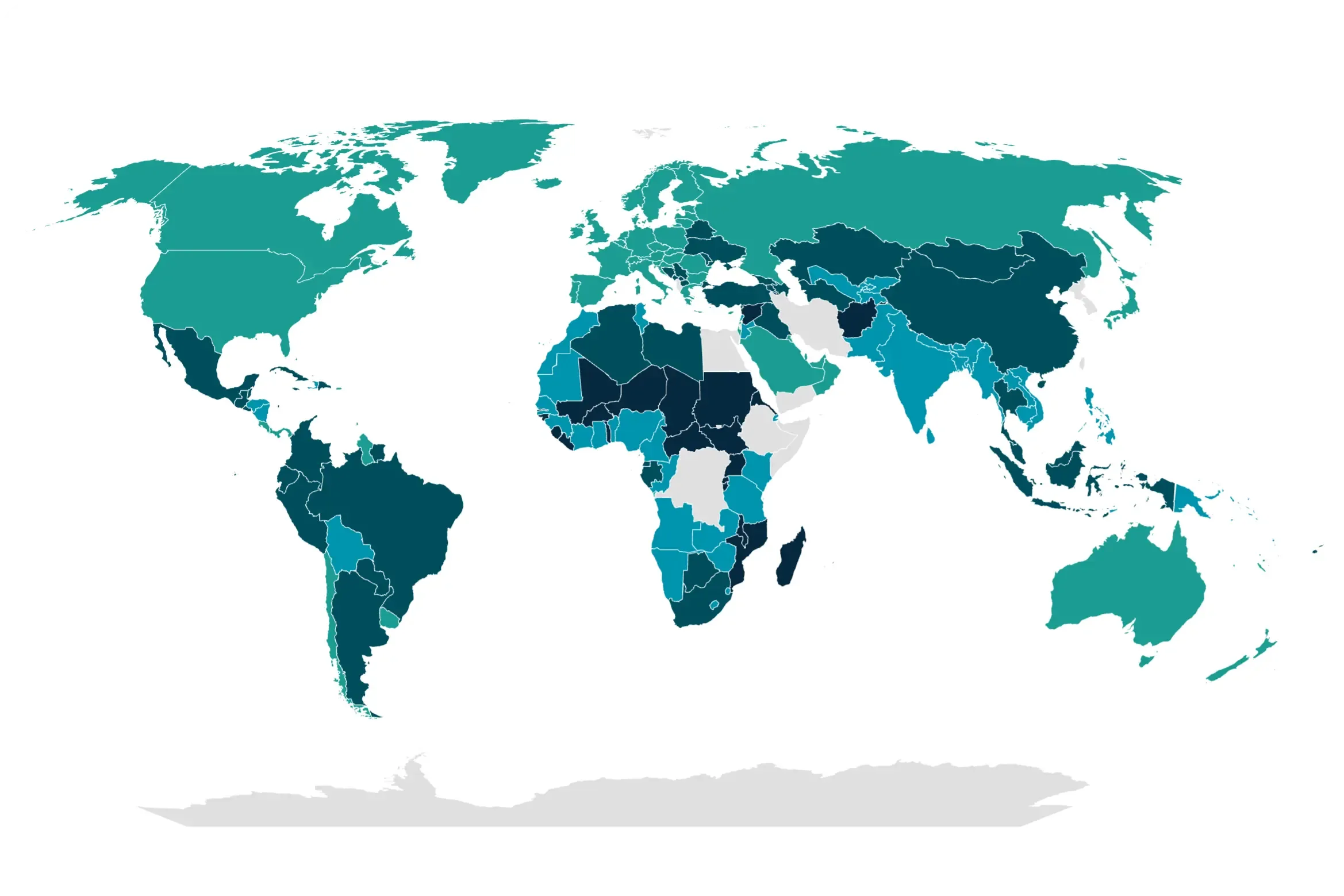
IAEE implements a tiered approach to membership dues based on World Bank national income categories. Council hopes to expand IAEE’s outreach in emerging and developing countries while keeping up with cost inflation since our last rate increase in 2019. Institutional membership pricing is available at this link.
High Income
High income economies are those with a GNI per capita of $13,846 or more
Individual Member
Student Member
Upper Middle Income
Upper middle income economies are those with a GNI per capita between $4,466 and $13,845
Individual Member
Student Member
Lower Middle Income
Lower middle income economies are those with a GNI per capita between $1,136 and $4,465.
Individual Member
Student Member
Low Income
Low income economies are defined as those with a GNI per capita of $1,135 or less
Individual Member
Student Member
How to Join IAEE
Members may join IAEE directly or through select local affiliates. Local affiliates participating in this program will collect dues and forward them to IAEE to establish membership.
Join IAEE Directly
Direct memberships run 12 months from the date of receipt of a member’s dues.
Join Through Your Regional Affiliates
To join IAEE via your regional affiliate, visit their page listed below. Affiliate memberships are on a calendar year basis.
Already an IAEE Member? Get Your Membership Certificate!
Membership certificates are available for purchase by IAEE members. Printed on professional parchment paper with a blue border and IAEE logo, this certificate makes a pleasant addition to one's office and indicates affiliation with the largest professional association of energy economists. The membership certificate is 8" x 10" and ready for framing.